
5 Tips to Say No to a Drink / EP 110
Feb 17, 2026
Listen to the PODCAST Here
Watch the Podcast on YouTube Here 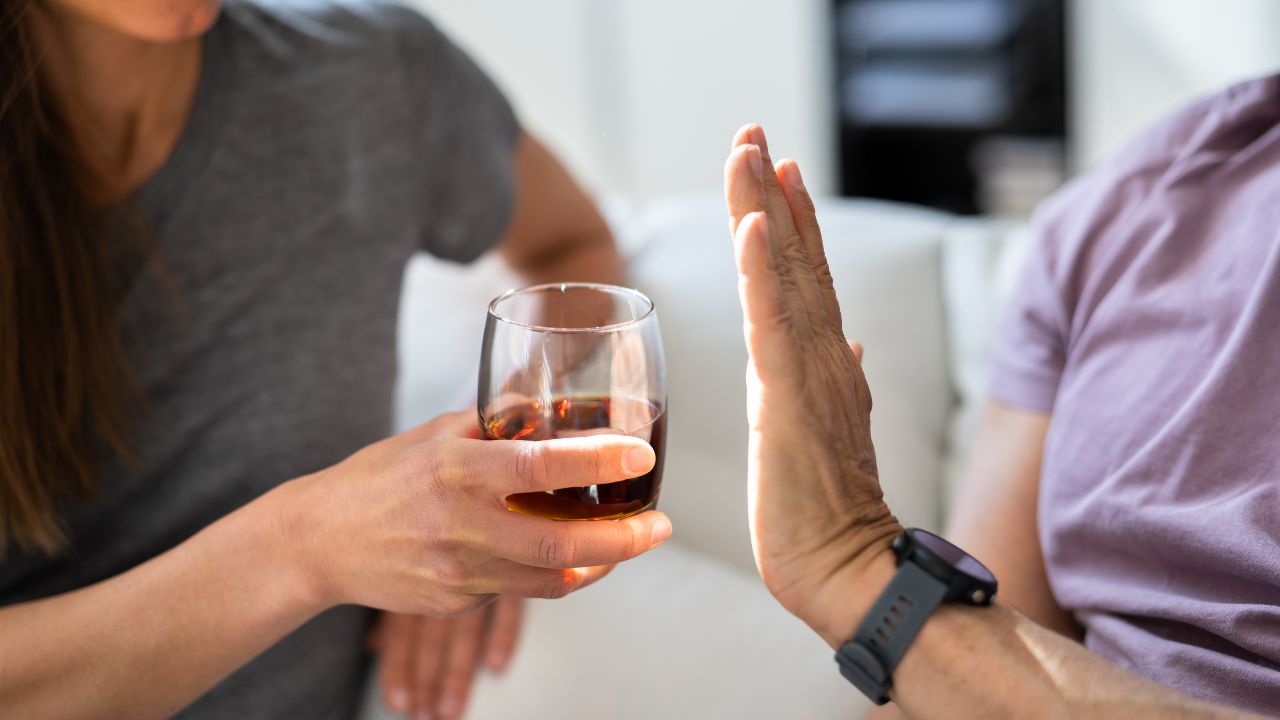
How to Say No to a Drink Without Stress: Tools for Social Confidence and Clarity
Reclaim your sense of ease in social situations with practical strategies, mindful preparation, and positive communication—no willpower required.
Why Saying No Feels So Hard
If you’ve ever found yourself nervously clutching a drink you didn’t actually want, you’re far from alone. As Ruby and Susan discuss in “5 Tips to Say No to a Drink", declining alcohol can feel fraught with psychological stress—it’s more than a simple decision. You’re not just saying no to the beverage; there’s the underlying discomfort of navigating safety, belonging, and honoring your own needs in environments where drinking is the norm.
“Saying no to alcohol isn’t about strength,” Ruby shares, “It’s about clarity.” The pressure to conform can come from family nostalgia, peer expectations, or cultural rituals tied to celebrations. When you say yes when you mean no, the result is often awkwardness and ‘people pleasing’—leaving you feeling fake and disconnected from yourself.
Navigating Social Pressure: Recognize Your Triggers
Ruby has identified social gatherings as major triggers for this discomfort, whether it’s a celebratory toast or a family event steeped in tradition. Susan explains, “When the wine or champagne is part of the whole experience...that's when I feel the most awkward.” For Ruby, family occasions bring extra pressure—nostalgia and the expectations of loved ones make it particularly tough.
Understanding where your own pressure points are—the environments or people that make saying no especially difficult—is the first step. With awareness, you can prepare for these scenarios, making it easier to maintain your boundaries without feeling deprived or isolated.
Gentle Tools for Saying No: Preparation is Everything
One of the most effective strategies is planning ahead, especially for social events. Rather than relying on willpower, Ruby recommends a few actionable tools:
- Bring Your Own (BYO) Alternative
Bringing your own non-alcoholic beverage is a simple yet powerful tool. Ruby mentions carrying sparkling waters or alcohol-free wines, like mini bottles of Prima Pave sparkling, to events. Having something in her hand—even an AF wine—helps her participate without feeling left out.
Not only does this strategy help you feel included, it can be a conversation starter: “I brought you this AF wine or beer,” Susan suggests gifting your host, turning a potential challenge into a positive exchange.
- Prepare Your Go-To Phrases
Anticipate questions and gently redirect with light, positive responses. There’s no need for lengthy explanations—phrases like “I’m good, I got my coffee,” “Not tonight,” or “Alcohol just doesn’t agree with me” are enough. As Ruby reminds, “No, thank you is a complete sentence.” If you’re driving, mention that, or simply say you feel better not drinking.
A pre-prepared phrase empowers you to avoid in-the-moment negotiations and cognitive dissonance. Practice your response in advance, even in front of the mirror, so you feel confident and clear when the moment arises.
Understanding Others’ Reactions: It’s Not About You
Recognize that when you say no, others may react due to their own internal dialogue—not yours. As Ruby notes, your choice might trigger fears in them, like losing a drinking buddy or feeling judged. You can reassure them: “No judgment here, just about me, I’m just not drinking.” Keeping responses light and focused on yourself helps diffuse tension.
Often, you’ll find people start sharing their own drinking habits or rationalizations. Susan and Ruby emphasize: stay in your lane—your journey is yours.
Planning and Practicing for Confidence
Success in these moments comes down to proactive planning:
- Know your triggers
- Decide what you’ll bring
- Choose and rehearse positive phrases
- Arrive prepared
As Ruby says, with a plan in place, “you’ll go into this event with so much confidence and clarity.” It’s not about willpower—it’s about honoring yourself, fostering belonging in new ways, and creating safety through preparation.
The Takeaway: Make Saying No Easy
Feeling nervous about saying no to a drink is normal, but with gentle, actionable tools, you can protect your boundaries and still enjoy social life. Bring your own, use positive phrases, and recognize the pressure isn’t personal. Preparation and practice lighten the emotional load—so you can show up authentically, confidently, and celebrate yourself, alcohol-free.
Bonus Resource:
Coach Ruby's powerful worksheet to help you feel grounded, prepared, and truly ready the next time a drink is offered.
🧡Get the worksheet here: https://www.freedomrenegadecoaching.com/how-to-say-no-to-a-drink
________
🧡 Book a clarity with me and let's chat: https://calendly.com/williams-ruby/discovery-call
Website for Ruby Williams at Freedom Renegade Coaching https://www.freedomrenegadecoaching.com/
Follow Coach Ruby: @rubywilliamscoaching
Email: [email protected]
Grab your copy of our FREE WineFree Weekend Guide to help you on your alcohol free journey. https://www.freedomrenegadecoaching.com/WineFreeWeekend
