
The Alcohol-Free Relaxation Alternative: Kava / EP 113
Mar 12, 2026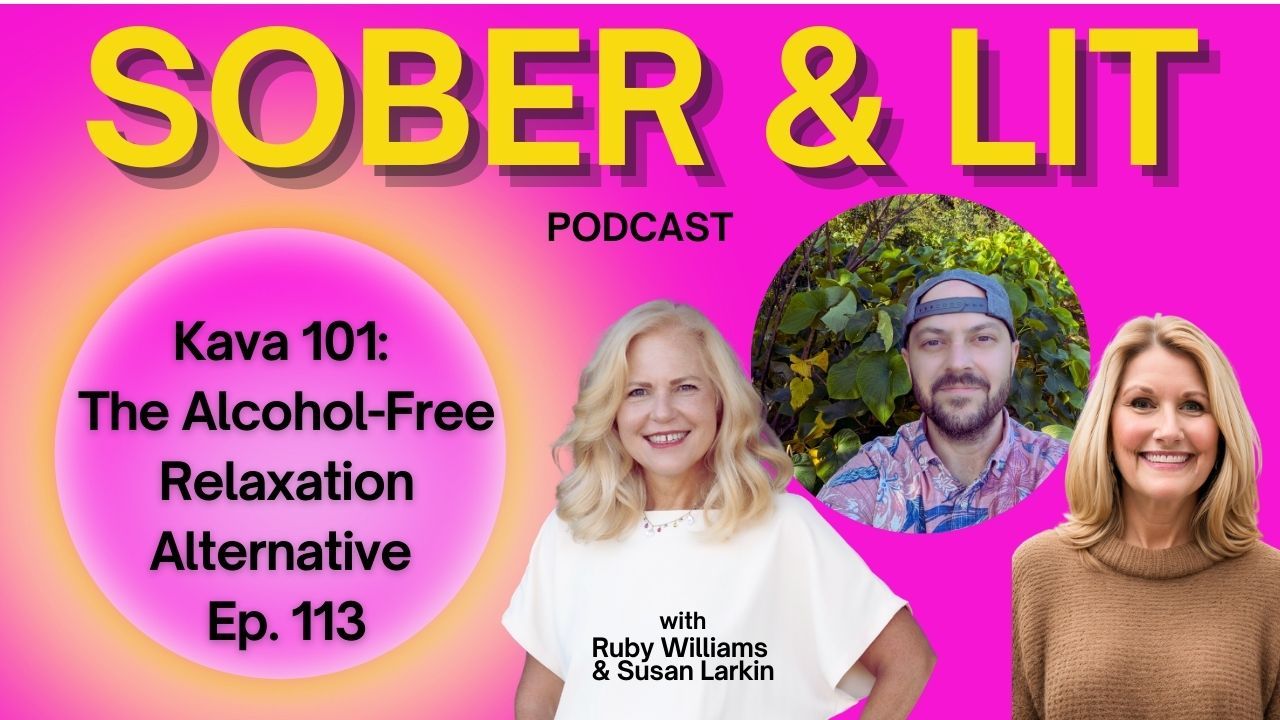
Listen to the PODCAST Here
Watch the Podcast on YouTube Here 
Kava Moves Into the Sober Spotlight
As more people re-examine their relationship with alcohol, interest in alternative social beverages has soared—a search for something that soothes and connects without the downsides of drinking. Enter kava: a centuries-old beverage from the South Pacific, now making waves in sober circles across the United States. In a recent episode of the Sober and Lit podcast, hosts Ruby and Susan sat down with Morgan Smith, CEO of Calm with Kava and Monsoon Beverages, to dive deep into what makes kava special, how it's used, and why it's gaining such traction.
Unpacking Kava: From Ancient Traditions to Modern Rituals
Kava isn't just a trendy drink found in hip cafes or yoga studios. As Morgan Smith explains, it’s a plant with an incredible 3,000-year history rooted in Melanesia...particularly Vanuatu, Fiji, Tonga, Samoa, and Hawaii. Unlike many other plants, kava can’t reproduce on its own; it’s a completely sterile botanical wonder, propagated by humans for millennia.
The drink itself comes from the roots and stump of the kava shrub, ground into a pulp, mixed with water, and strained to make the beverage. It’s been central to spiritual ceremonies, community gatherings, and casual socializing alike. Every island culture has its own twist: from somber nakamal ceremonies in Vanuatu to laid-back, chatty hangouts in Tonga; kava brings people together for a shared sense of calm.
The Effects of Kava: Calm, Connection, and the "Sober Buzz"
So, what does drinking kava feel like? Morgan Smith likes to describe it as a “very intense chamomile” gentle, relaxing, but with effects you genuinely feel. While some compare kava to what they hoped CBD would deliver, kava users almost unanimously report a notable sense of relaxation, light euphoria, and (depending on the variety) sociability and talkativeness. For many, it transforms a gathering much like alcohol, but without intoxication or next-day regrets.
There are over a hundred drinkable kava varieties, each with slightly different effects. Some are more sedative, a great fit for winding down, while others uplift and foster easy conversation, perfect for social settings. Ruby shared her personal experiences of feeling both calm and energized, especially before restorative yoga or during sober retreats. The consensus: kava delivers genuine relaxation and connection, without the addictive spiral of alcohol.
Safety, Myths, and How Kava Works
Kava’s growing popularity in the U.S. has brought questions, and misconceptions, about its safety. One recurring myth: that kava is dangerous for the liver. Morgan Smith addressed this head-on, clarifying that a single poorly processed batch two decades ago led to cases in Germany, largely due to aflatoxin contamination, not the kava itself. Worldwide, the incidence of liver issues linked to pure, traditionally prepared kava is vanishingly rare...about one in a million, according to the NIH. Meanwhile, the risks of alcohol to liver health are well-established and significant.
Neurologically, kava works primarily on the GABA receptors, similar to substances like alcohol and certain anti-anxiety medications. However, kava does not foster dependency or physical addiction, making it a safe option for those in recovery or simply wishing to moderate their habits.
The Taste and Ritual: Acquired Flavor, Enduring Connection
Let’s be honest...kava doesn’t taste like a tropical cocktail. In Morgan Smith's words, it’s “earthy, peppery mud water”. Traditionally, many drinkers chase it quickly with water or snacks. That said, creative kava bars and enthusiasts have developed recipes with coconut milk, spices, citrus, and other mixers to make kava more palatable and enjoyable, turning the ritual of kava drinking into a modern mocktail experience.
Ethics and Quality: Sourcing Matters
As with all supplements, not all kava is created equal. Morgan Smith emphasized the importance of ethical sourcing, transparency, and safety testing in kava production. His company lab-tests every batch, provides public reports, and works directly with South Pacific farmers to ensure both quality and positive economic impact for traditional communities.
Conclusion: Kava’s Place in a Mindful, Sober Lifestyle
For those navigating sobriety, wellness, or curiosity about alcohol alternatives, kava offers a unique bridge, a centuries-old ceremonial beverage reimagined for modern community and self-care. Whether you’re seeking calm, deeper connection, or simply a way to unwind at the end of the day, kava stands out as a safe, non-addictive, and meaningful choice.
Ready to try kava? Look for reputable sources, try a local kava bar, or create your own ritual at home. As Morgan Smith suggested, sober socializing doesn’t have to mean missing out...it’s about discovering new ways to feel calm, connected, and lit from within.
🧡 Book a clarity with me and let's chat: https://calendly.com/williams-ruby/discovery-call
_________
Website for Ruby Williams at Freedom Renegade Coaching https://www.freedomrenegadecoaching.com/
Follow Coach Ruby: @rubywilliamscoaching
Email: [email protected]
Grab your copy of our FREE WineFree Weekend Guide to help you on your alcohol free journey. https://www.freedomrenegadecoaching.com/WineFreeWeekend
